I haven’t read the original novel at the time of watching the film and typing out this review – perhaps someday I should. But the story regarding the creation of Hamlet is very well-researched at this point, including the academic speculation on the influence of William Shakespeare’s son Hamnet himself on the play. It alone makes for pretty ripe material for a dramatization especially for one of the most significant English plays written by a very significant playwright whose name needs no introduction at this point.
We get a nice opening scene where a falcon lands on the arm of Agnes Shakespeare, the sort of cinéma vérité approach you’d expect from Chloe Zhao’s previous work like in The Rider with Brady training the horses. Something that’s a little unfortunate as the film goes on is the lack of this grounded realism that was once prevalent in Zhao’s work – I suppose this makes sense that the film has to resort to a more staged approach, especially when it comes to the way these characters act and behave plus the subject matter itself. But it is a significant departure in that regard, and those expecting anything along the lines of a Nomadland or earlier in Zhao’s filmography may find themselves disappointed by this departure.
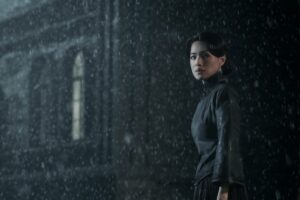
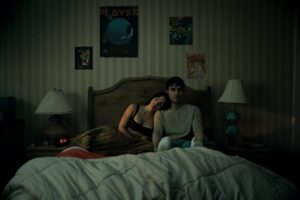
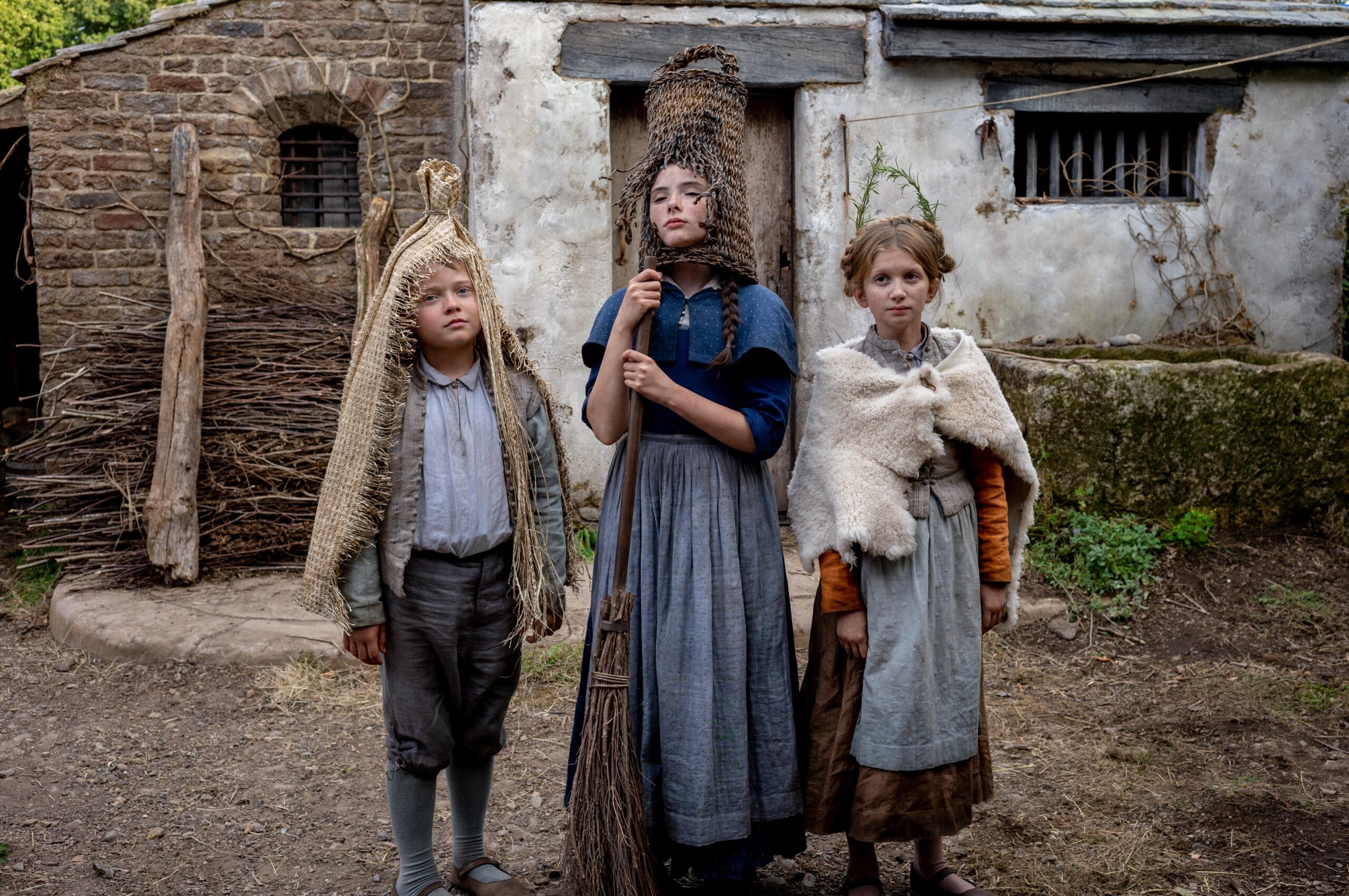
Later on Agnes meets the man William Shakespeare himself. They fall in love and have children, their coming together and eventual marriage is much to the dismay of each of their respective families. Agnes has the reputation and label of being a “forest witch”, and eventually a young William leaves his dad and family in an act of frustration after suffering many years of abuse under him. William has dreams of being a playwright and has to frequently travel to London, leaving Agnes to care for the family and the children. Eventually their separation takes a toll once one of the twins, Judith, starts to get sick. During one scene, her twin brother Hamnet joins her lying down on the bed, and through what appears to be a spiritual intervention or a miracle of some sort, Judith is fully healed at the cost of Hamnet’s health. Hamnet never recovers and he eventually dies, leading to an emotional breakdown from Agnes. Jessie Buckley gives the sort of performance that would probably impress Academy voters, and I would not be shocked to see her potentially walk away with an Oscar.
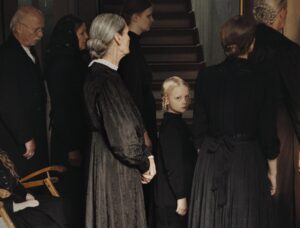
This creates further separation between Agnes and William as William retreats further into his work. Of course this creates further drama, yet all is reconciled in a big way once Agnes is invited to see the premiere of William’s play that he had been working on all along – Hamlet, itself a tragedy about the loss of a son which also serves as a dedication to their real son. That ending moment in isolation is a very powerful scene – we understand Agnes’ flood of emotions as we see the actor playing Hamlet himself in the flesh. Almost like a resurrection of Hamnet, now all grown up, plus the poetic inclusion of having William himself play the spirit of his father is very touching. Like life imitating art, or the ways in which life can be interchangeable with art itself.
But the ending also feels like a potentially unearned moment – if you strip out the mythos behind Shakespeare and his legacy, would the story’s effect be the same? If this were just some ordinary family in place of the Shakespeare family, would people care? I think not – much of the emotional build-up towards that final moment feels very telegraphed, and it’s hard not to think about how its showiness is a good recipe to attract voters come awards season time. This is topped by the use of Max Richter’s soundtrack, including the appearance of On the Nature of Daylight during the final moments of the film which only serves to heighten that phony sense of feeling. But I suppose I can understand, and can connect to what it’s trying to do on some level – that underneath a domestic tragedy and loss of one’s son is the shape of storytelling and art to come, beyond the family, out there into the world.