Bi Gan explores the progression of filmmaking from the silent era to the early noir talkies and onwards through Resurrection. This is probably about what I would say I got out of the experience of watching the film – a sprawling meta-narrative that takes place across time and different places, as if manoeuvring through these different segments involving different characters and stories, weaved together as one in a very dreamlike sequence. Cinema is like watching our dreams come alive, as further exemplified during the third segment of the film that takes place in an abandoned monastery out in the mountains somewhere in China where we hear the sound of snoring. There’s clearly something here concerning the destruction of Confucianism and its artifacts, including that of the monastery and its stone statues which is most relevant with regards to the Cultural Revolution in China – an observation that is also not lost on me, although the film is not strictly attempting to take any political stance on the matter (and I’m sure Bi Gan wants to continue making more movies after this one).
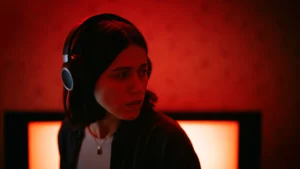
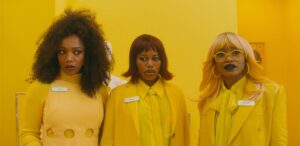
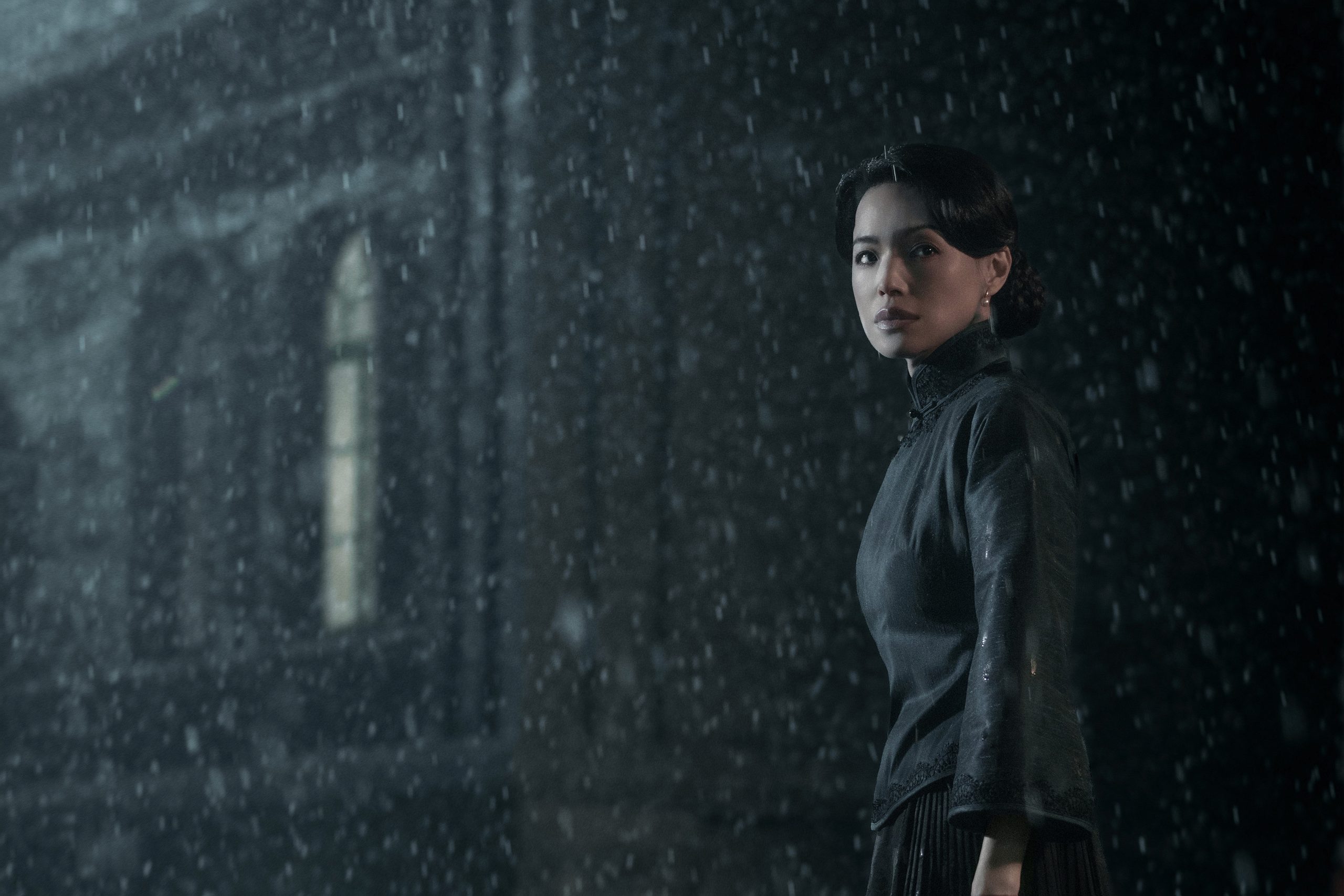
The film is more an homage to these different historical contexts of film in concept rather than a full recreation or an embrace of the same storytelling beats of old that defined these various eras. The first segment which illustrates the silent era of filmmaking has actress Shu Qi walking through these different interior sets and spaces as she chases down this “Deliriant” monster. There is a clear nod to German Expressionism here, although there is also a clear lack of understanding of the visual artform itself and its emotional content – the entire segment is certainly well-designed on a technical level, yet never at any point did it feel like I was able to emotionally connect with it. We’re not given any idea as to what exactly is going on, why Shu Qi is chasing down this creature, and at best stylistically it comes off as a pale imitation rather than a spiritual embodiment of what German Expressionism is all about. The next crime noir segment on the train involving different characters looks even worse with its desaturated colors, distractingly terrible VFX (especially with that one shot of the train’s POV while the two characters are fighting each other) and cheap looking production design. With the following two segments after that involving the monastery and the con artist, one cannot help but feel like it is all filler to pad out the 2 hour 40 minute runtime. These different segments feel too short to really dive into the stories behind these characters and their journeys, and the cinematography and visual components don’t really feel all that impressive (another case in point is the ‘fake’ CGI snow during the monastery portions). It’s a lot of ideas packed into one, yet none of them resonate even in spite of the film’s length. Perhaps we are dealing with too many ideas here.
If there’s one saving grace the film has, it is the one-take that comprises the final segment/dream of the film. Bi Gan’s trademark is to include a very long one-take near the end of his films, such as his one hour long take in 3D in Long Day’s Journey Into Night. Here Bi Gan is simply doing what he does best – you could say he is unlocking his final tier of filmmaking after all the ordeal of going through the different eras of cinema. Impressive yet showy all in one. We end with a final note on cinema – people may come and go, and art decays like all things. This is death in cinematic form, but us watching the film ensures that cinema can be “resurrected” and continue to live on.
Certainly not the most boring thing I’ve seen despite it all, although I’m a believer that cinema should seek to invoke emotions rather than to engage in some intellectual exercise that leaves us feeling nothing. I’m always down for any ambitious and bold love letter to cinema in and of itself, but the need to spell out its meta-cinema messaging at the end for the people who didn’t get it makes me question if there’s anything more to it beyond the rather poor exercise in style and aesthetics.